
Hong Kong’s Deadliest Blaze in Decades - 2025 Tai Po apartment fire
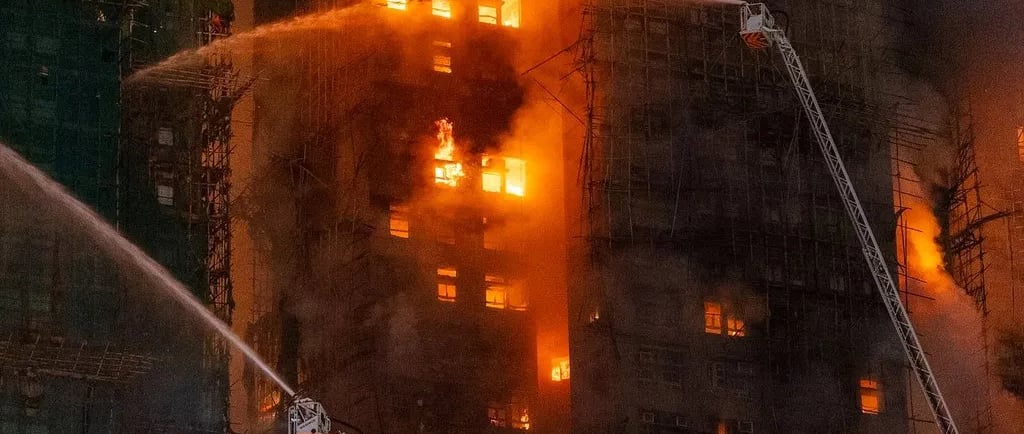
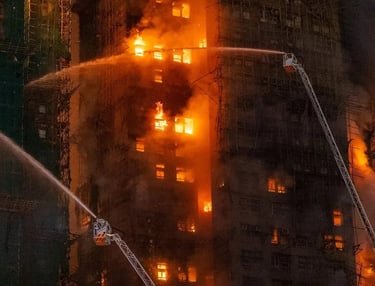
On November 26, 2025, a devastating fire broke out at Wang Fuk Court, a residential estate in the Tai Po district of Hong Kong. The flames spread with terrifying speed, engulfing multiple high-rise apartment buildings covered in bamboo scaffolding and green mesh.
NEWSSHOW IN HOMEPAGEPOLITICS
11/28/20254 min read
A Tragedy Unfolds: Understanding the Recent Hong Kong High-Rise Fire
Hong Kong has witnessed many challenges over the years, but few disasters have shaken the city quite like the recent high-rise fire that swept through a residential estate in Tai Po. What began as an ordinary weekday afternoon turned into one of the deadliest fires the city has seen in decades. The scale of destruction, the speed at which the flames spread, and the heartbreaking loss of life have left Hong Kong in collective grief and shock. Today, the incident is not just a news headline, it’s a national moment of mourning, reflection, and urgent questioning about safety in one of the world’s densest urban environments.
The fire began inside a tower undergoing renovation, a detail that would later prove crucial in understanding how the blaze escalated. The building was covered in bamboo scaffolding and wrapped in green protective netting. These materials are common in Hong Kong construction, but they can be dangerously flammable under the right conditions. Within minutes, flames climbed from one level to another, traveling up the outside of the building like a torch. As residents saw smoke rising, many initially believed it was a small, contained fire. That illusion was quickly shattered as the blaze intensified and leapt from one section of the scaffolding to another.
Emergency alarms escalated rapidly. Firefighters declared the event a top-level emergency in a matter of hours. Dozens of fire engines, ambulances, and rescue crews were deployed as responders raced against time to reach residents trapped on upper floors. Thick plumes of black smoke billowed across the district, visible from miles away. As night fell, the fire cast an eerie glow across the skyline, turning the residential estate into a scene of chaos and devastation.
One of the biggest challenges firefighters faced was the complexity of the building’s renovation. Scaffolding collapsed under intense heat, blocking access routes and creating falling hazards. Stairwells filled with smoke, limiting visibility and making it nearly impossible for some residents to find their way out. Firefighters worked tirelessly, navigating the treacherous conditions to rescue as many people as possible. Tragically, one firefighter lost his life during the effort, highlighting the dangerous conditions faced by first responders.
By the time the fire was contained, the losses were staggering. Dozens of residents were confirmed dead, hundreds remained unaccounted for, and many more were hospitalized. Families were separated in the panic, and survivors spoke of terrifying moments, opening their doors to find hallways already filled with smoke, feeling the heat rising through the floors, and hearing their neighbors scream for help. The emotional toll of these testimonies has shaken the city deeply. Entire families have been displaced, with many losing not only loved ones but also their homes and belongings.
For the residents of the affected estate, life will never be the same. The community is grieving, living in temporary shelters, and struggling to rebuild their lives. The tragedy has also ignited broader conversations throughout Hong Kong. People are asking difficult but necessary questions: How did the fire spread so fast? Why were the buildings so vulnerable? Could better safety measures or stricter regulations have prevented this?
Much of the investigation now centers on the use of bamboo scaffolding, an iconic but controversial part of Hong Kong’s construction culture. While bamboo is lightweight, flexible, and cost-effective, it is also highly flammable. Renovation materials, such as protective netting, can trap heat and encourage flames to spread quickly. Several safety experts have argued for years that the city should transition to modern scaffolding systems that resist fire and collapse. Despite such warnings, bamboo remains widely used due to tradition and lower costs. This tragedy may finally force long-overdue changes.
The fire has also exposed vulnerabilities in Hong Kong’s older residential buildings. Many of these structures were designed decades ago, before modern fire-safety standards were established. Narrow hallways, older ventilation systems, and aging infrastructure can quickly turn a small fire into a deadly disaster. Residents have long complained about insufficient safety inspections and slow approval times for building upgrades. Now, the calls for reform are growing louder, and many hope the government will accelerate plans to modernize high-rise safety systems.
Authorities are currently conducting a full investigation into the cause of the fire and the circumstances that allowed it to spread. Several individuals connected to the building’s renovation have already been taken in for questioning. Allegations of negligence, improper material use, or violations of construction guidelines may emerge as more information becomes available. Regardless of the investigation’s outcome, many believe this incident should mark a turning point in how Hong Kong approaches building safety, renovation oversight, and emergency preparedness.
Beyond the physical destruction, the emotional impact of the fire is profound. Hong Kong’s community spirit has shown itself in the aftermath, with volunteers donating food, clothing, and supplies to displaced residents. Local charities have mobilized quickly to provide counseling, while mental-health professionals emphasize the importance of long-term support for survivors who experienced traumatic conditions. The grief is raw, the wounds are fresh, and healing will take time.
As the city reflects on this tragedy, the incident stands as a painful reminder of how quickly everyday life can change. It highlights the fragility of urban living and the importance of vigilance, safety, and preparedness in high-density environments. Hong Kong is known for its resilience, and this moment of heartbreak is no exception. There is grief, but there is also determination, determination to hold responsible parties accountable, to demand change, and to ensure that such a tragedy never happens again.
The fire in Tai Po will forever be etched in the city’s memory. It was more than a disaster; it was a wake-up call. For now, Hong Kong mourns, supports the survivors, and stands united in the face of overwhelming loss. But as investigations continue and reforms take shape, the hope is that this tragedy leads to real, lasting improvements in safety standards. No community should have to experience such devastation again, and no family should have to endure the pain of losing loved ones to avoidable risks.
As rebuilding begins, both physically and emotionally, Hong Kong moves forward with a renewed understanding of what must change. And in that movement, in that effort to protect future generations, the city honors the memory of every life affected by this devastating fire.